For years, HMIs were the default answer when productions needed serious output, long throw, or the ability to push through large diffusion frames.
But modern LED fixtures like the Aputure XT52, Creamsource Vortex series, and ARRI Orbiter have started closing the gap in ways that would’ve been hard to imagine even a few years ago.
HMI vs LED lighting has become one of the biggest conversations in modern film production workflows. The question now isn’t whether LEDs are “good enough.” It’s understanding where they actually make sense, and where HMIs still dominate.
Before deciding what goes on the truck, here are a few things worth considering.
1. How much output do you actually need?
- Can your light push through a 12x or 20x frame?
- Are you lighting a wide exterior or a controlled interior?
- LEDs are improving, but they still struggle with raw output and punch.
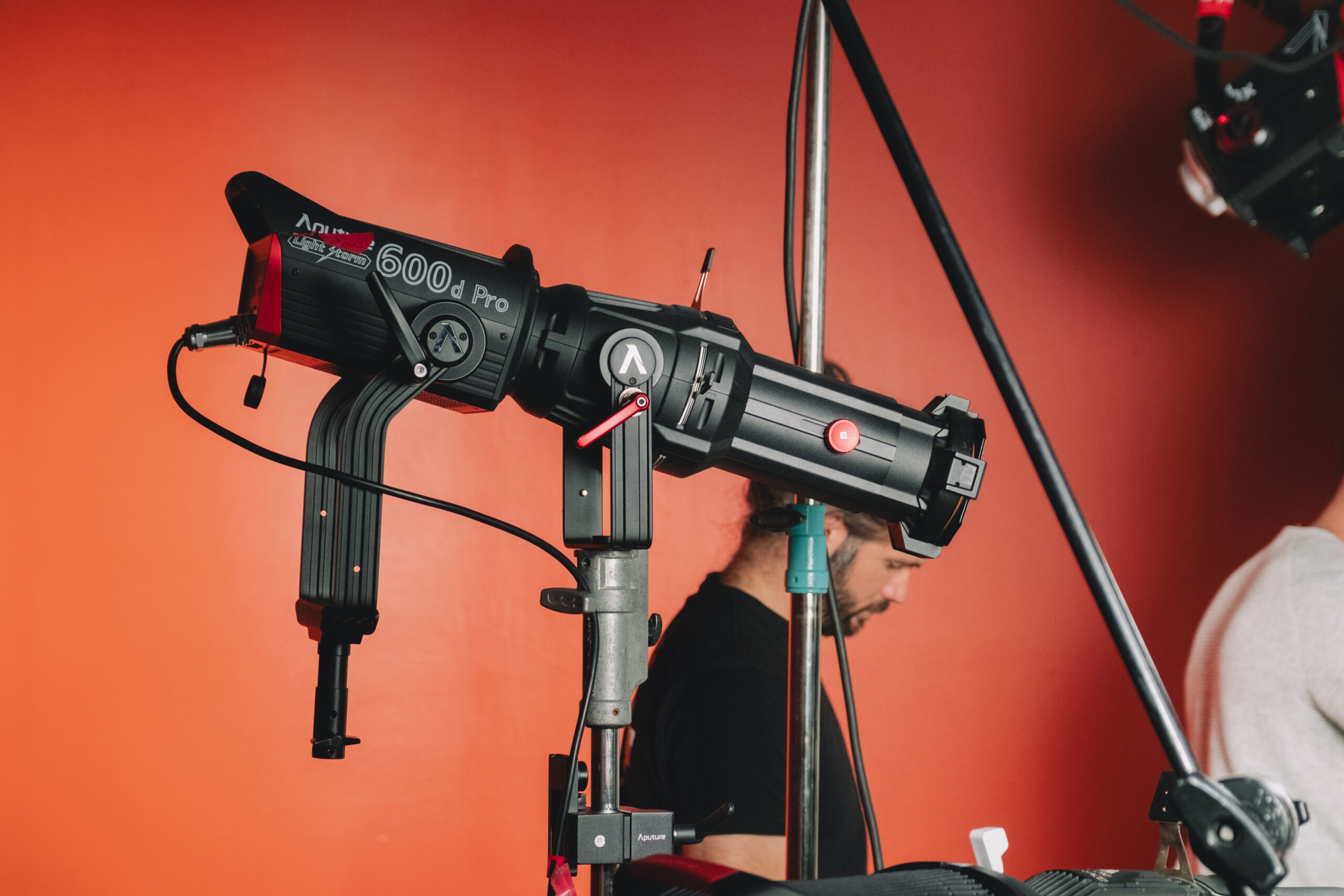
Fixtures like the Aputure XT52 have pushed LED output much further than previous generations, but once you start working through larger frames or longer throws, HMIs still tend to win on sheer intensity.
Insight: If you’re short on output, no amount of convenience will fix it.
2. How far does your light need to travel?
- Long throw = HMI territory
- Short distances = LED works great
Think about:
- Lighting through windows
- Simulating sunlight from outside
- Pushing light across large spaces
A light that works perfectly in a small studio can fall apart quickly on a large exterior setup.
3. What Makes HMI vs LED Lighting Different On Set?
- Do you need fast color changes?
- Matching practicals?
- Dialing exact temperature?
This is where modern LED fixtures really separate themselves.
Units like the Creamsource Vortex and ARRI Orbiter offer:
- Full spectrum color control
- Dimming and DMX cues
- Built-in lighting effects
- Faster on-set adjustments
For productions moving quickly or working in highly controlled environments, that flexibility can save a significant amount of time.
4. What are your power limitations?
- Limited power → LED
- Generator / big distro → HMI
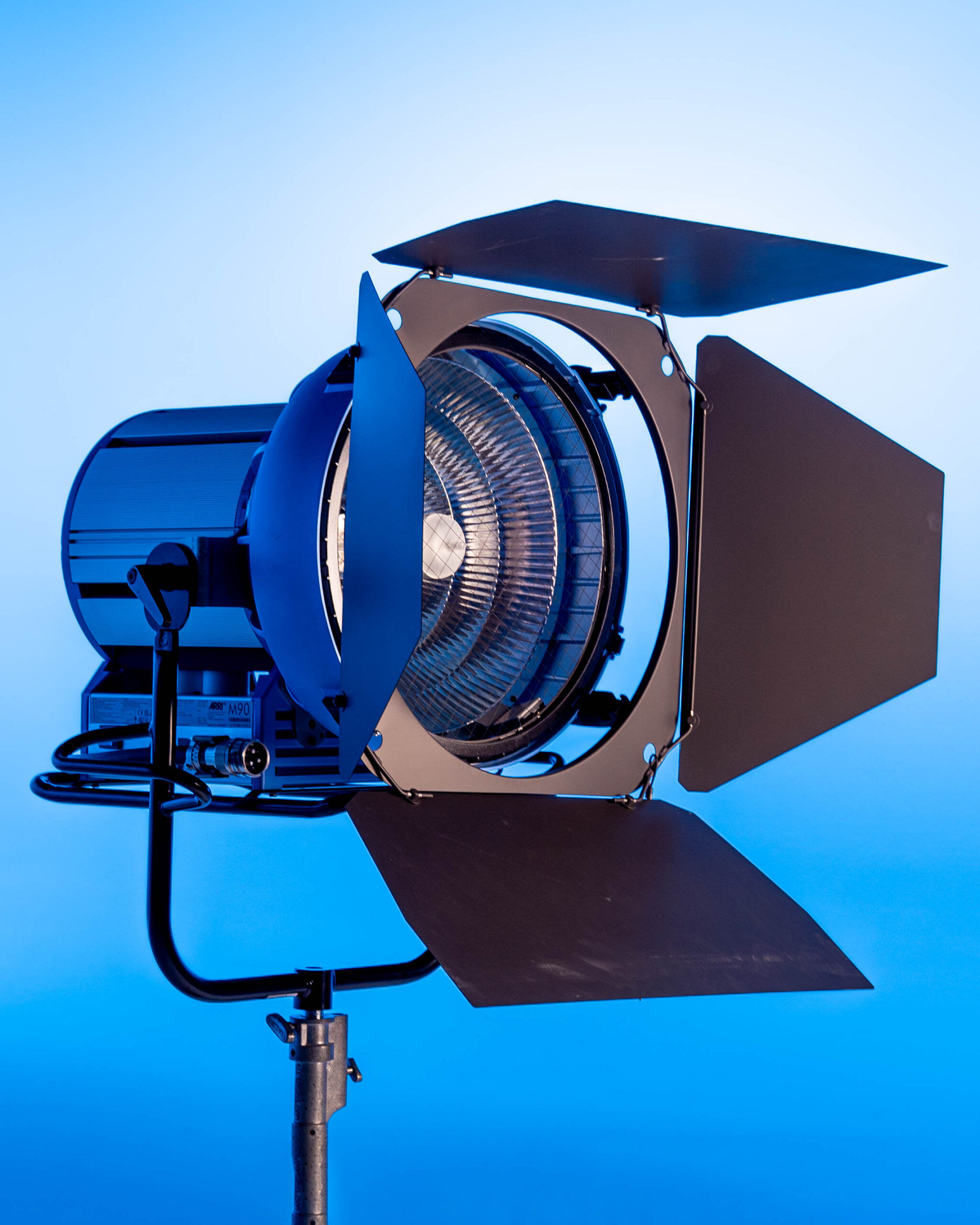
One of the biggest advantages of LEDs is lower power draw. Smaller crews, tighter locations, and practical power limitations can make LEDs the more realistic option.
But if your setup already involves larger distro and generator support, HMIs still bring a level of output that’s hard to replace.
Question to consider:
Can your location actually support HMIs?
5. How fast do you need to move?
- Tight schedule → LED
- Bigger setup / more time → HMI
Setup time is part of the lighting decision.
Modern LED workflows allow crews to move faster, make quick adjustments, and adapt without constantly changing gels, rigging, or placement.
But when maximum output becomes the priority, larger HMI setups are often still worth the extra time.
6. Are you working with diffusion or bounce?
- Diffusion eats output
- Bounce reduces intensity
Every layer of diffusion costs you output.
That’s where fixture choice starts to matter fast.
The bigger the modifier, the more HMIs start making sense — especially when working outdoors or trying to maintain exposure across larger setups.
7. What’s your environment? (Interior vs Exterior)
- Exterior day / night → HMI
- Controlled interior → LED
There’s a reason HMIs are still heavily used on larger exterior productions.
When you need punch, throw, or the ability to compete with ambient daylight, they still excel.
Meanwhile, LEDs continue dominating smaller stages, interiors, fast-paced commercial shoots, and productions where flexibility matters more than raw output.
Conclusion
There’s no single “better” option between HMI and LED.
It all comes down to what your scene actually demands.
Modern LEDs have changed what’s possible on set, but HMIs continue proving why they’ve remained industry standards for so long.
Understanding where each fixture succeeds, and where each one falls short, is what helps crews build lighting setups that are efficient, intentional, and actually work in real production environments. Understanding HMI vs LED lighting helps crews make faster, smarter decisions before stepping on set.
Written By: Jhania Perez –

By day she runs Expressway’s marketing machine, by night (and let’s be honest, also by day), she’s a full-time dog mom.