Women of the Earth is a documentary series following female land stewards across the U.S., capturing the work they’re doing to restore and protect the land.
For Season 2, director Chiara Hollender and director of photography Matt Figler took the project across remote locations, working with a small crew and constantly shifting environments.
We asked them to walk us through what it took to bring this season together.
This season offers a closer look at documentary filmmaking behind the scenes — from remote production challenges to working with a small crew in unpredictable environments.
For those who may not be familiar, can you tell us a bit about WOTE and what this season explores?
Chiara Hollender (Director):
Women of the Earth is a documentary series capturing the resilient work of female land stewards across the United States who are leading efforts to restore and protect the land.
This season involved a lot of travel and remote locations. What were some of the biggest logistical challenges?
Matt Figler (Director of Photography):
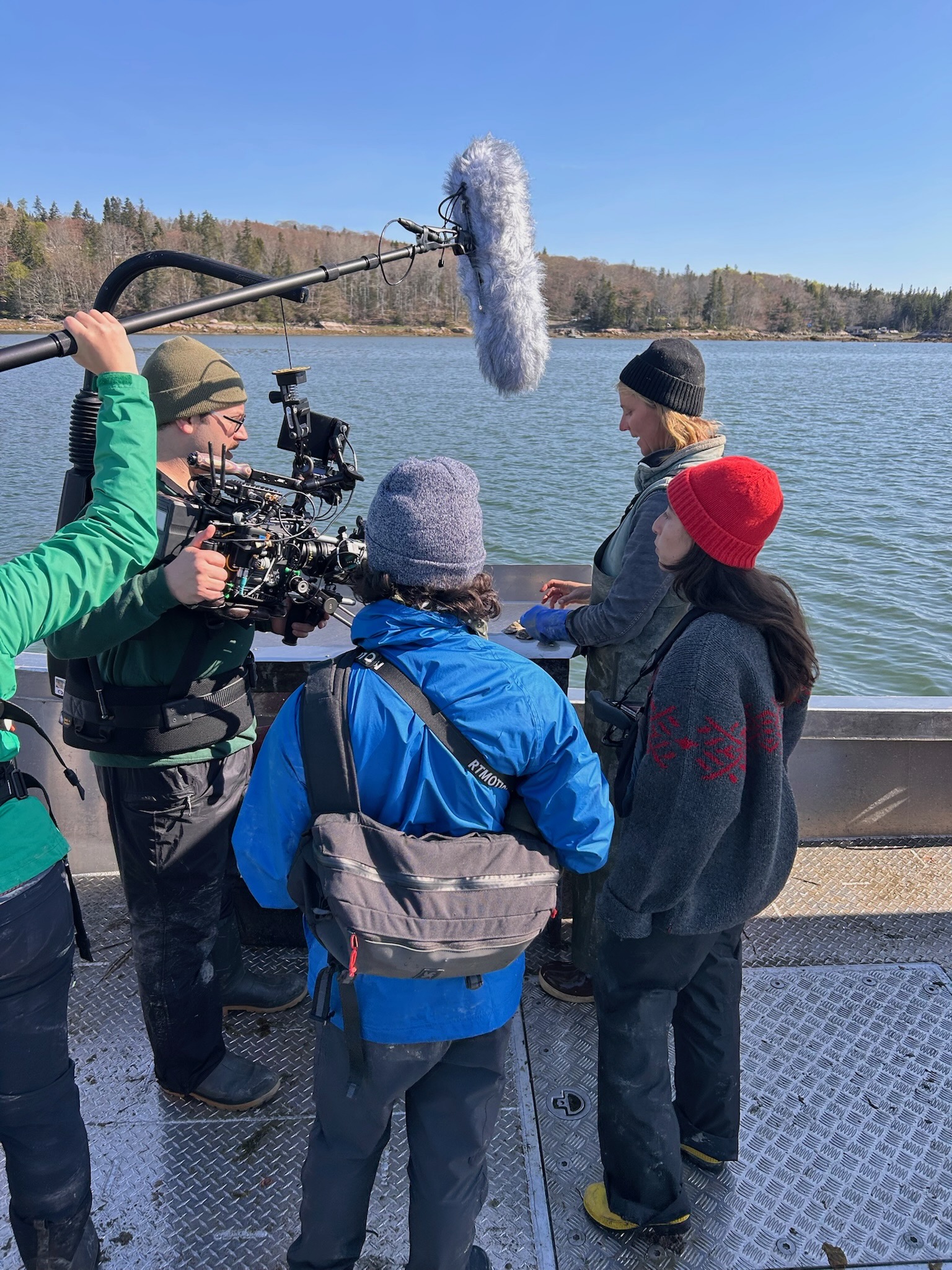
We are a tidy but mighty team traveling with a lot of stuff, so physically getting from place to place takes effort. From a logistics POV, getting set up for Abby Barrows’ episode was a challenge. The trip involved trekking into coastal Maine, packing for full days aboard a small aluminum oyster boat, getting out before dawn & low tide, filming verité + underwater probe shots + 16mm, all on the water.
Were there any particularly memorable or unexpected moments during production?
Matt Figler (Director of Photography):
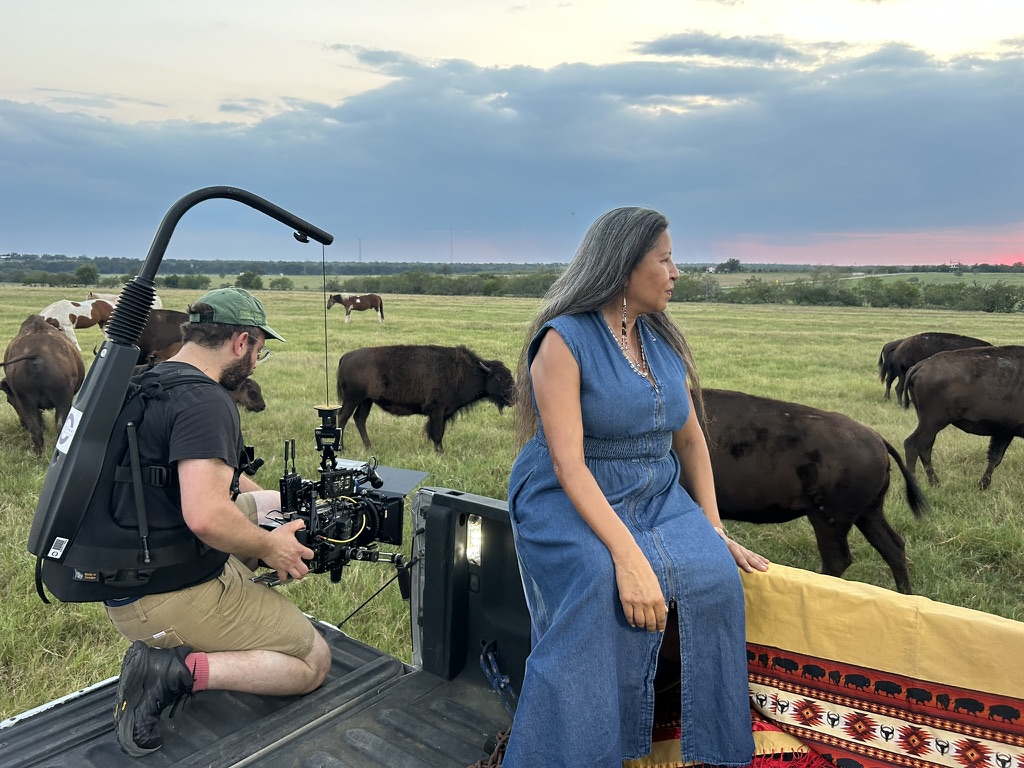
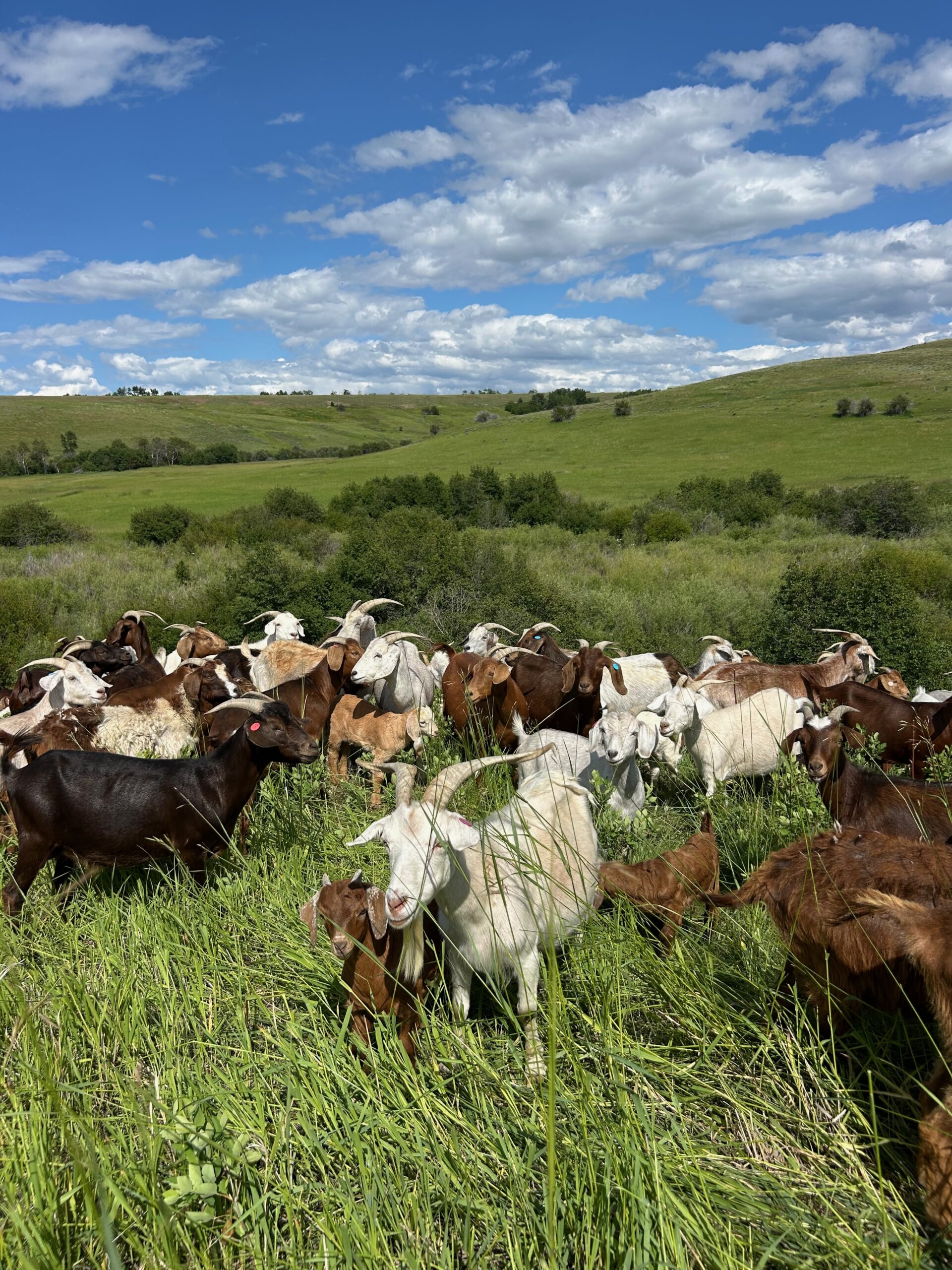
Part of the joy for me when working on documentaries is improvisation and unpredictability that is baked into the process. Lucille Contreras’ episode was unique in that Chiara and I wanted the audience to experience what it’s like to interact and engage with buffalo, so we had to place ourselves in very close proximity to the herd.
Buffalo are absolutely massive and surprisingly sneaky animals — at one point, without realizing it, our team, trucks, and ranch managers ended up fully encircled by a herd of 40+ buffalo.
From a cinematography perspective, what were some of the creative or technical challenges?
Matt Figler (Director of Photography):
I think the most important thing we can do as storytellers and filmmakers is to build a bridge with the subjects we are working with. This is crucial before engaging in any cinematic way with them — we are just visitors after all, often for a short amount of time.
Creatively, I feel it’s worth prioritizing what is happening in front of us vs. pausing to find the perfect composition or manipulating a scene to suit the look. When those things happen naturally, it’s very special.
On location, we very seldom had the ability to choose the perfect time of day. Animals don’t care if the sun is high noon or golden hour. A lot of planning went into finding windows for interviews where we had some control, and we often started our days well before sunrise.
This is often what documentary filmmaking behind the scenes looks like in practice when working in unpredictable environments.
Did shooting in remote locations influence your gear choices?
Matt Figler (Director of Photography):
Working in remote locations with a tiny team forces you to make good concessions on the equipment. The Sony Burano is a solid blend of features and size/weight, and I like that there are multiple imager size options that help when you need extra reach.
In previous seasons we used TLS Leica R primes and rehoused FD’s. This season called for longer takes and more specialty optics, so we paired Burano with a Zeiss Lightweight Zoom, rehoused Olympus glass, and a Canon 200mm F1.8.
Our focus puller Rick Dziedzic built our kit in such a way that it was seamless to switch setups quickly — from zoom to primes, handheld or tripod, with multiple motors.
What are the advantages and challenges of working with a small crew?
Chiara Hollender (Director):
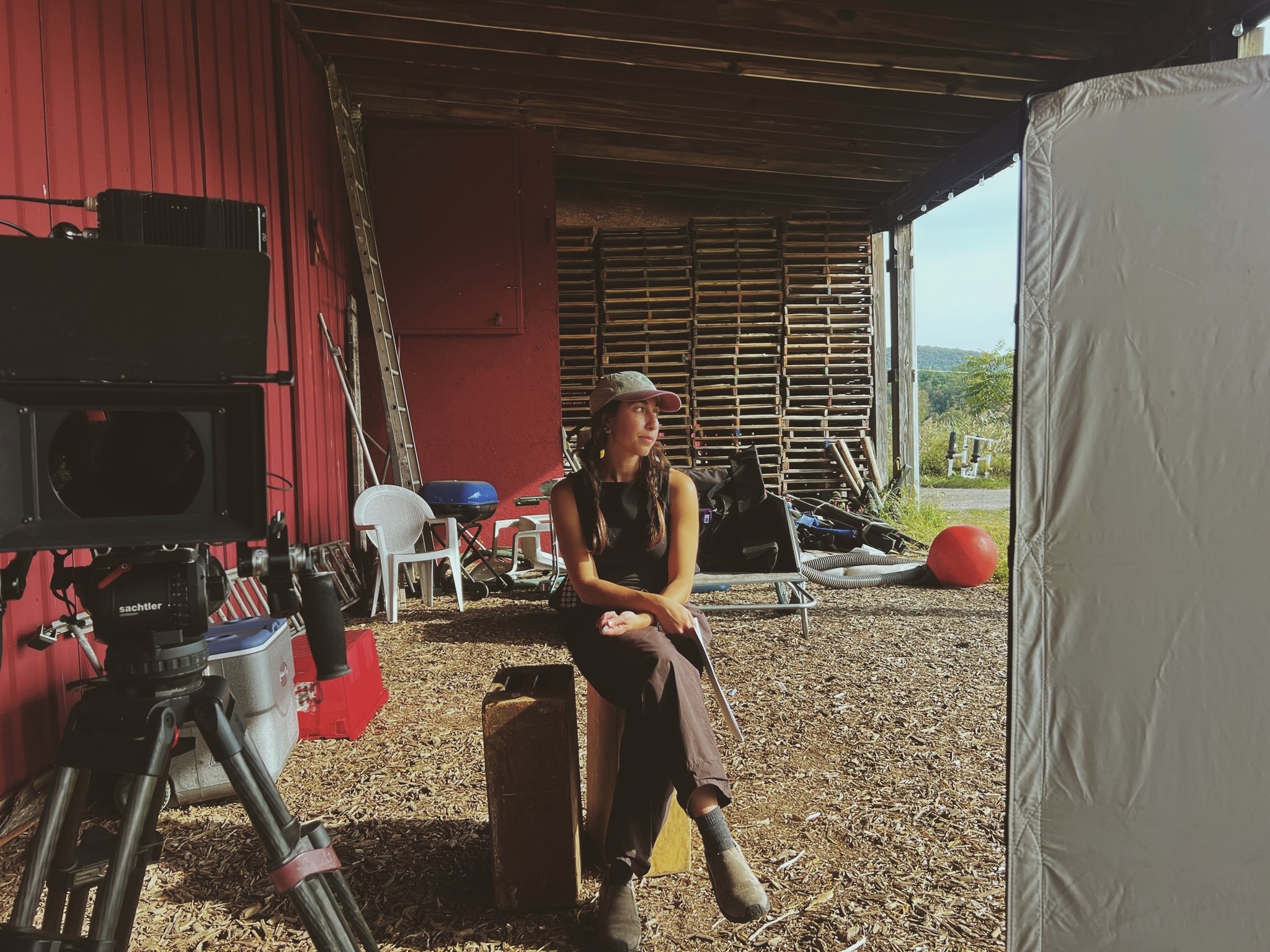
There are plenty of advantages and challenges, but ultimately the advantages far outweigh the challenges for me. A huge part of this work is building trust between myself, the crew, and the subject we’re featuring — so the less people and more intimate the experience can be, the better.
The challenges are needing to wear lots of different hats, move quickly, and stay flexible. Not everyone thrives in that kind of environment, so I’m pretty particular when it comes to hiring crew.
How did the prep process help support the production before heading out?
Matt Figler (Director of Photography):
We would not have accomplished this series or been able to champion these stories in the same way without the support from Expressway Cinema Rentals.
The team in Philly and Rochester had our backs — whether that was providing lenses for testing, working with our schedules, or tracking down hard-to-find gear.
Why was it important to highlight women in both the story and the production?
Chiara Hollender (Director):
I’ve always been a huge advocate for hiring women and giving women the opportunity to be in creative leadership roles. For this series in particular, since we’re highlighting women and their knowledge, it’s been incredible to collaborate with so many amazing women both in front of and behind the camera.
Looking back, what are you most proud of?
Chiara Hollender (Director):
I’m proud of so much, but what stands out most is the integrity we were able to hold for the people we feature, their stories, and their communities.
We build really deep relationships with the folks we work with, so being able to look back and feel like we honored them throughout every step of the process makes me very proud.
What do you hope audiences take away from this season?
Chiara Hollender (Director):
I hope they take away an immense amount of hope for the future — and the possibilities that exist when the right voices are given a platform to be heard.
I deeply believe in the tangible impact that storytelling can have, and I hope this project leaves people feeling energized about the work being done to heal our earth.
Explore the Full Season
Women of the Earth — Season 2 is now out.
If you’re working on projects that demand flexibility, trust, and a crew that can move with the story, having the right support behind you makes a difference.
Explore gear, prep, and production support through Expressway Cinema Rentals.
Written By: Jhania Perez –
By day she runs Expressway’s marketing machine, by night (and let’s be honest, also by day), she’s a full-time dog mom.