Not too long ago, TV was something you watched while folding laundry. Today, you binge a series that looks as polished as a feature film—and you do it the same weekend it drops.
Television is no longer in film’s shadow. It’s a powerhouse format with budgets, crews, and technical ambitions that rival theatrical releases.
The 2025 Emmy Awards proved this shift is real. From sweeping single-take shots to seamless VFX integration, this year’s nominees highlighted a truth that’s been building for years: television has embraced the cinematic toolkit. And the same innovations driving award-winning shows are shaping productions everywhere.
But what exactly is fueling this transformation—and how can production teams prepare for the future?
Here are four production trends shaping the future of TV—and what they mean for the people behind the camera.
1. The Cinematic Upgrade: From Live Broadcast Tools to Film Gear
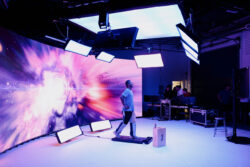
One of the clearest signals from the Emmys is that the visual language of television is changing. The days of live television being shot exclusively on broadcast-style cameras are fading. Today’s scripted shows are increasingly leveraging full-frame cinema cameras, high-end glass, LED volumes, and advanced post-production pipelines to create visuals that stand shoulder-to-shoulder with feature films.
Prestige dramas and streaming series are investing in cinematic depth of field, rich color science, and immersive lighting to captivate audiences who expect more from their home viewing experience. This trend isn’t just aesthetic—it’s strategic. With the explosion of streaming content, visual excellence has become a differentiator.
For production crews, this means working with gear ecosystems that mirror film sets rather than traditional broadcast rigs. For rental houses, it means stocking, maintaining, and supporting the kinds of tools that allow smaller-screen projects to think big.
2. Motion Control and the Rise of Precision Storytelling (with Mocolab)
If cinematic cameras are redefining the “look” of television, motion control is redefining how those looks are achieved. Once considered niche or reserved for feature films, robotic camera systems are becoming increasingly common in television production.
Why? Because audiences are now accustomed to seeing sequences that require dynamic, precise, and repeatable camera moves—shots that would have seemed impossible in traditional television.
This is where Mocolab, Expressway’s motion control division, enters the conversation. Mocolab provides filmmakers access to high-end robotic systems—the kind that can repeat a move down to the millimeter, integrate with CGI pipelines, or execute camera choreography that would be impossible otherwise.
For television, this is transformative:
-
VFX integration: Episodic shows can now use the same repeatable-shot technology as blockbuster films to create seamless visual effects.
-
Commercial precision: Motion control rigs make product shots and branded integrations flawless, an increasingly important part of television economics.
-
Dynamic storytelling: Directors gain freedom to explore movement as a narrative tool, not just a technical trick.
What was once a luxury is quickly becoming a competitive necessity in an industry where every frame matters. And thanks to collaborations like Mocolab, these tools are no longer out of reach for television productions—they’re part of the standard toolkit.

3. Workflow Efficiency: Doing More in Less Time
If there’s one thing that separates television from film, it’s the clock. Episodic productions move at a relentless pace, with fewer prep days and tighter shooting schedules. That pressure is only increasing as streaming platforms demand more content, faster.
The future of television production won’t be defined by who has the fanciest gear, but by who can deploy gear efficiently. That means:
-
Reliable prep processes that catch problems before they reach set.
-
Thoughtful kits that provide a strong base for the rest of the package, designed to support multi-unit or traveling productions.
-
Logistical flexibility to get equipment where it’s needed, when it’s needed.
For crews, it means less time troubleshooting and more time creating. For producers, it means keeping budgets intact by minimizing costly delays. And for rental houses, it means acting as partners who understand workflows—not just vendors checking boxes.
At Expressway, we’ve seen how a strong prep process can save productions hours (or days) of headaches. QC isn’t just about verifying equipment—it’s about protecting time on set, the most valuable resource in television.
4. The Human Side: Specialized Crews for a Hybrid World
Technology is only half the story. The other half is people.
Television today demands crews who can straddle two worlds: the cinematic language of film and the fast-turnaround demands of broadcast. A gaffer who understands both LED volume lighting and live multicam rigs. An AC who can build a cinema camera package in the morning and pivot to ENG-style shooting in the afternoon.
This hybridity is defining the next generation of television professionals. It’s also shaping what productions expect from their partners. Rental houses staffed by people who’ve walked in those shoes can offer guidance rooted in experience. They know the right questions to ask, the pitfalls to flag, and the adjustments that can keep a production moving smoothly.
For freelancers and crews, the message is clear: specialization matters, but so does versatility. The future belongs to those who can bridge the gap.
Looking Ahead: From Emmys to Everyday Sets
The Emmys may highlight the best of the best, but the trends they showcase aren’t limited to Hollywood sound stages. They’re already filtering into regional productions, branded content, and streaming shows of all scales.
The future of television will be defined by:
-
Cinematic tools like full-frame cameras and LED volumes.
-
Precision systems like motion control rigs, made more accessible through partners like Mocolab.
-
Efficient workflows that protect time and budgets.
-
Crew expertise that bridges the worlds of film and broadcast.
For productions, the takeaway is simple: the right gear matters, but so does the right partner.
Final Thoughts
Television is no longer defined by its limitations—it’s defined by its ambition. Audiences expect cinematic visuals, directors demand more complex tools, and producers need partners who can deliver both.
At Expressway, we see our role as part of that ecosystem: providing access to the gear, expertise, and innovation that allow productions to think bigger, move faster, and tell stories in new ways. Through our collaboration with Mocolab, we’re especially excited about how motion control is becoming a central piece of the television future—a sign that the once-rigid line between TV and cinema is gone for good.
Because in the end, the shows that win Emmys tomorrow will be built on the production trends taking shape today.
Written By: Jhania Perez –

By day she runs Expressway’s marketing machine, by night (and let’s be honest, also by day), she’s a full-time dog mom.